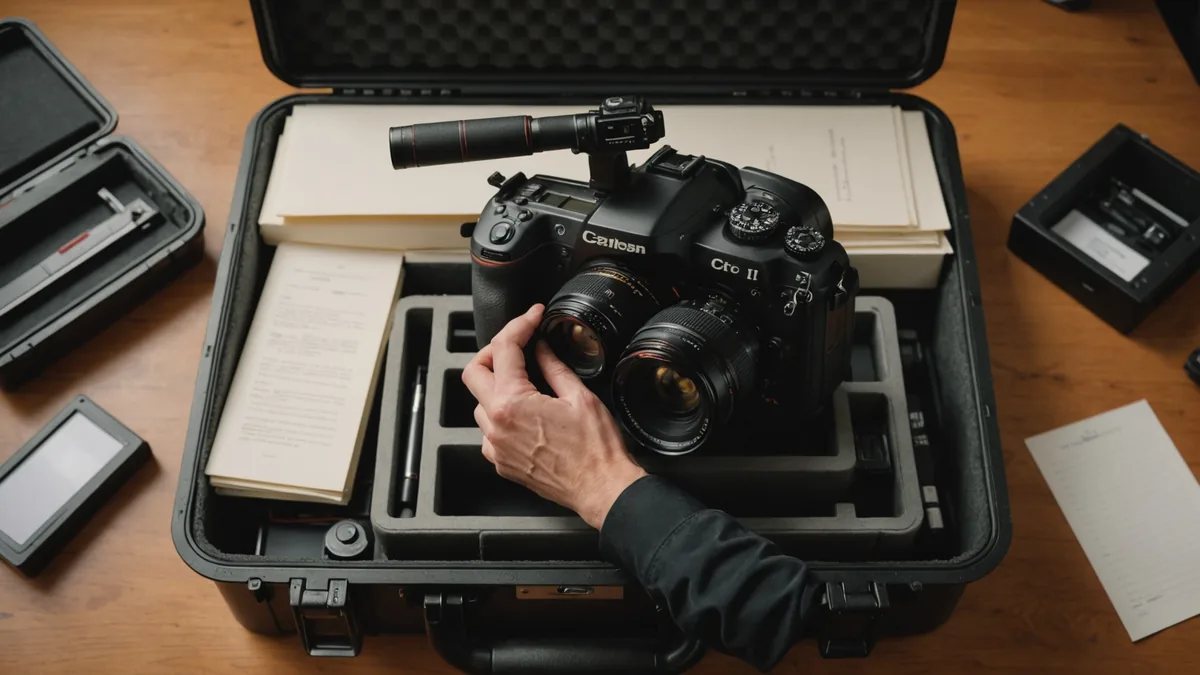
Most filmmakers treat insurance like a box to tick before the shoot. Sign here, initial there, hand over the card details, done. Then something actually goes wrong — a lens dropped in a canal, a camera body rained on during an outdoor interview — and the details that were glossed over in a rental agreement become very consequential. This piece is about understanding what you're actually covered for before that moment arrives.
Why rental insurance is not optional — and also not magic
When you rent gear through Wedio, insurance is included with every booking. That's not a marketing line; it's how P2P rentals are made workable for owners who'd otherwise have no mechanism to protect expensive equipment from strangers. The insurance is real and it matters. But "included insurance" and "fully covered no matter what" are not the same thing, and treating them as equivalent is how filmmakers end up in disputes.
The honest version: rental insurance covers the scenarios that honest people get into — accidents, unforeseen equipment failure during a rental, theft in circumstances where reasonable precautions were taken. It is not a financial reset button for carelessness, nor does it cover situations where the coverage terms were clearly never met.
What accidental damage coverage actually means
Accidental damage is the core scenario most filmmakers worry about, and it's also where the most misunderstanding lives. The definition is specific. Accidental means unforeseeable and sudden — a stumble that sends a tripod and camera into a concrete floor, rain that starts during a shoot you had no reason to expect would turn wet, a lens that slips from a cold hand during a handoff. These are genuine accidents in the insurance sense of the word.
What often isn't covered under "accidental damage" provisions:
- Damage that accumulates over multiple rentals. A lens with front element scratches where nobody can identify a single incident isn't accidental damage — it's wear that happened in an undefined period. Condition reports at handoff exist precisely to prevent this ambiguity.
- Equipment failure from user error. Forcing a lens into a body with the wrong flange mechanism, using the wrong power supply voltage, or mounting a heavy lens on a rig that wasn't rated for it — these are operator errors, not accidents.
- Damage caused by continuing to use visibly compromised equipment. If you notice a focus ring starts binding after a drop and keep shooting for two more days, the subsequent internal damage compounds the original issue. Document and stop.
The condition report is your most important document
Before every rental through Wedio, the owner submits condition photos and a verified condition report. This is not bureaucracy — it is the reference point that determines what was pre-existing versus what happened during your rental. Reviewing it carefully before you accept gear is as important as the insurance itself.
Two things to do at pickup that most people skip:
First, actually check the gear against the report. Look at the specific items flagged — existing marks on the lens barrel, any known quirks with the follow focus mount, the stated condition of the battery contacts. If the condition report says "small scuff on lower barrel" and you later return a lens with a deeper mark, you need to be able to confirm that mark was not from your rental. Photos at pickup protect you as much as the owner.
Second, photograph anything that isn't in the condition report. A scratch not mentioned, a piece of kit that arrives slightly different from the photos. Do this before you leave the pickup location. It takes two minutes and eliminates the most common source of post-rental disputes entirely.
Theft: what's covered and what conditions apply
Theft coverage is probably the most misunderstood part of any gear insurance policy. The broad principle is this: theft that happens despite reasonable precautions in ordinary circumstances is generally covered. Theft that happens because the gear was left unattended in a visible location, stored unsecured overnight in a van, or otherwise exposed to obvious risk is usually not.
Concrete scenarios worth thinking through before your shoot:
- Theft from a locked vehicle: Many policies cover this if the gear was in the boot (trunk) and out of sight, and the vehicle was properly locked. Gear visible in a back seat, even in a locked car, typically isn't covered — it's a temptation you created.
- Theft from a shoot location: If you're shooting in a public space and step away from the camera, leaving it unattended isn't covered under most policies. If the camera is physically attended by a crew member and stolen during a confrontation, that's a different situation.
- Overnight storage: Where you store rented gear overnight matters. A proper Peli case in a locked office is different from kit left in an unlocked studio storage room or a car parked on the street.
The general principle: the coverage exists because insurers expect you to treat rented gear with the same care you'd treat your own. If you wouldn't leave your own camera unattended on a park bench, don't expect coverage when a rented one disappears under the same circumstances.
What to do immediately when something goes wrong
The first hour after an incident matters more than most people realise. The instinct to keep shooting, deal with it later, and hope the damage isn't as bad as it looks is exactly wrong. Here's the actual sequence:
- Stop using the gear. If there's physical damage, additional use can extend it and complicates any damage assessment. Document the state it's in right now.
- Photograph everything. The gear, the environment, the incident location if relevant. Timestamped phone photos are fine. The more context, the better.
- Contact Wedio immediately. Not after the shoot. Not the next morning. Prompt notification is a standard clause in any insurance coverage — delayed reporting can void a claim.
- Don't attempt repairs yourself. Even well-intentioned attempts to fix a lens element or clean out moisture create complications. Let the process determine what happened.
- Keep all receipts and documentation. If you paid for anything related to the incident — transport to get replacement gear, a taxi because the shoot continued — document those costs too.
Does this coverage replace production insurance?
For independent filmmakers working on personal projects, documentary shoots, or small commercial productions, the rental insurance included with Wedio bookings covers the gear during the rental period. That's its scope.
We're not saying rental insurance is a substitute for production insurance on a professional shoot with a full crew, locations, and clients involved. Production insurance covers liability for physical harm on set, third-party property damage, professional indemnity, and several other categories that rental gear insurance doesn't touch. If you're working on a production with a budget above a few thousand DKK and other people's money or safety involved, a production insurance policy is a separate and sensible thing to have.
For a solo documentary filmmaker renting a Sony FX6, a Rode NTG3, and a couple of Dedolights for a weekend — rental insurance is what you need. For a three-day commercial with a 10-person crew and a client's assets on location, it's one layer of protection among several.
A practical pre-shoot insurance checklist
Before every rental, take fifteen minutes to go through these items:
- Read the condition report — don't skim it
- Photograph gear at pickup against the condition report
- Confirm what constitutes your covered rental period (start and end times)
- Know where you'll be storing gear overnight if the shoot spans multiple days
- Have Wedio's contact information saved where you can find it without searching
- If your shoot involves elevated physical risk (water, height, dense crowds), plan for gear security specifically
Insurance works best when you've thought about what could go wrong before it does. The time to read the terms is not after something breaks — it's the night before the pickup, when there's still time to ask questions.
If you have questions about how coverage works on a specific Wedio rental, the contact page is the right starting point. We'd rather answer questions beforehand than sort out misunderstandings after.